
Published October 22, 2025
Business Interruption Risk Mitigation for Singapore Enterprises
Comprehensive analysis of operational continuity planning, financial impact assessment methodologies, and protection mechanisms for revenue streams during unforeseen disruptions across various industries.
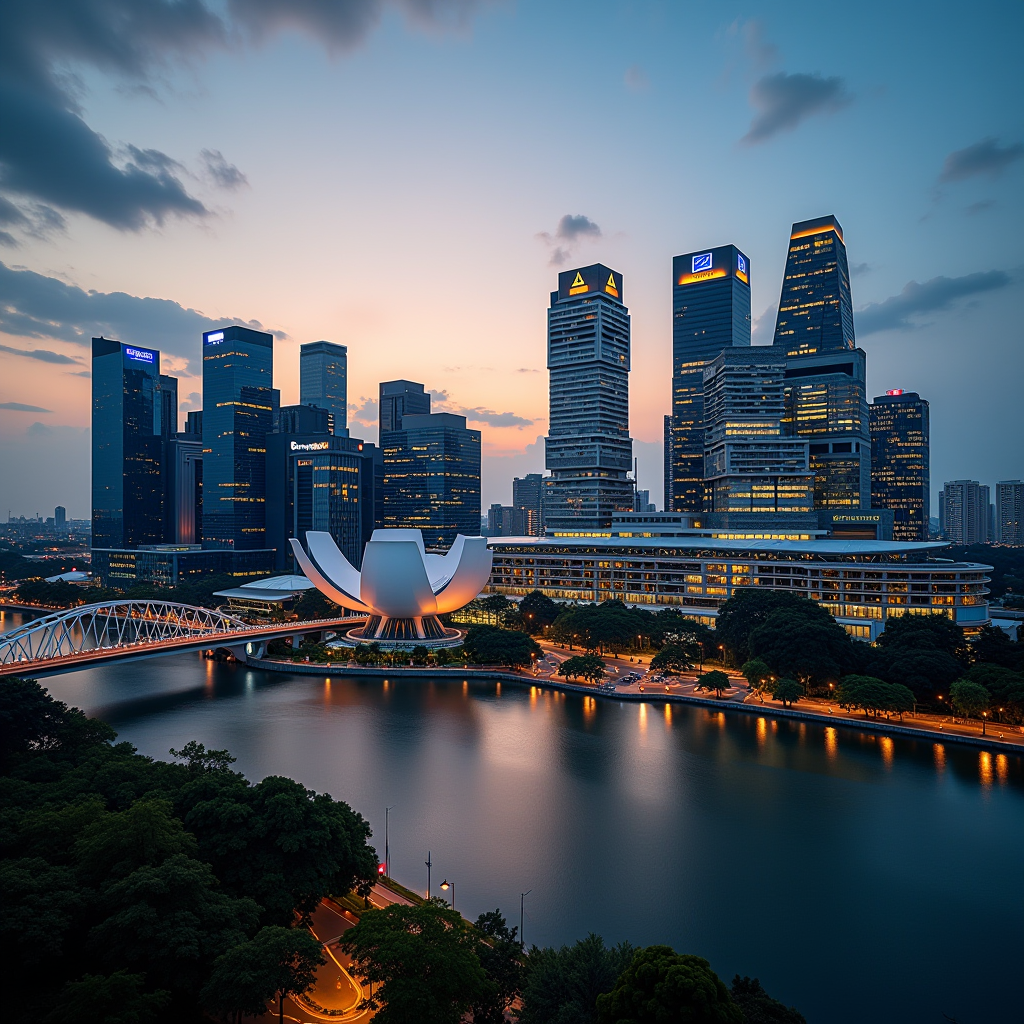
Understanding Business Interruption Exposure in Singapore's Commercial Landscape
Business interruption represents one of the most significant yet frequently underestimated risks facing Singapore enterprises across all sectors. When operational disruptions occur—whether from natural disasters, equipment failures, supply chain breakdowns, or unforeseen circumstances—the financial consequences extend far beyond immediate physical damage. Revenue streams cease, fixed expenses continue, customer relationships deteriorate, and market position erodes. For Singapore-based organizations operating in a highly competitive regional hub, understanding and mitigating business interruption risk has become essential to long-term sustainability.
The complexity of modern business operations means that interruptions can originate from multiple sources. Manufacturing facilities may experience machinery breakdowns that halt production lines. Retail establishments face closure due to property damage or regulatory compliance issues. Service providers encounter technology failures that prevent client engagement. Logistics companies suffer from transportation disruptions that cascade through supply networks. Each scenario presents unique challenges requiring tailored risk assessment and protection strategies.
Singapore's position as a regional business center amplifies these concerns. Organizations here often serve international markets, maintain complex supply chains spanning multiple jurisdictions, and operate under stringent regulatory frameworks. A disruption affecting a Singapore-based enterprise can have ripple effects across the Asia-Pacific region, making comprehensive business interruption planning not merely prudent but strategically imperative.
Effective business interruption risk mitigation begins with thorough exposure analysis. Organizations must identify critical revenue-generating activities, map dependencies between operational components, quantify fixed and variable cost structures, and establish realistic recovery timelines. This foundational assessment enables informed decisions about protection mechanisms, resource allocation, and contingency planning. Without accurate exposure understanding, enterprises risk either inadequate coverage that leaves them financially vulnerable or excessive expenditure on unnecessary protections.
Policy Structure Evaluation and Coverage Mechanism Analysis
Business interruption protection mechanisms operate through specific structural frameworks that determine coverage scope, calculation methodologies, and claim settlement processes. Understanding these frameworks enables organizations to select appropriate protection levels aligned with their operational realities and financial requirements. The fundamental structure typically addresses gross profit loss, increased cost of working, and additional expenses incurred to minimize interruption impact.
Gross profit coverage forms the cornerstone of most business interruption frameworks. This component addresses the reduction in revenue minus variable costs that would have been saved during the interruption period. The calculation requires accurate historical financial data, realistic turnover projections, and clear understanding of cost behavior patterns. Organizations must distinguish between costs that cease during interruption (such as raw materials for halted production) and those that continue regardless of operational status (such as lease obligations, permanent staff salaries, and loan repayments).
Key Coverage Components
- ▸Net profit protection addressing revenue shortfalls during operational suspension
- ▸Standing charges coverage for continuing fixed expenses regardless of operations
- ▸Increased cost of working provisions for expedited recovery measures
- ▸Additional expense reimbursement for temporary relocation or alternative operations
- ▸Professional fees coverage for accountants, consultants, and specialists during recovery
The increased cost of working provision deserves particular attention in Singapore's business environment. This component reimburses additional expenses incurred to maintain operations or minimize revenue loss during the interruption period. Examples include overtime payments to accelerate repairs, premium freight charges for expedited material delivery, temporary facility rental, or outsourcing arrangements to maintain customer service levels. These provisions recognize that proactive expenditure during disruption can significantly reduce overall financial impact.
Coverage triggers represent another critical structural element. Most frameworks activate upon physical damage to insured property, though some extend to non-damage scenarios such as utility failures, access denial by civil authorities, or supplier/customer premises damage. Understanding trigger conditions prevents coverage gaps and ensures protection aligns with realistic interruption scenarios. Singapore enterprises should evaluate whether their exposure includes non-damage interruption risks requiring specialized coverage extensions.
Indemnity Period Considerations and Recovery Timeline Assessment
The indemnity period defines the maximum timeframe during which business interruption coverage applies following a triggering event. Selecting an appropriate indemnity period requires realistic assessment of recovery timelines, considering not only physical restoration but also the time needed to rebuild customer relationships, restore market position, and return to pre-interruption revenue levels. Underestimating this period represents one of the most common and costly mistakes in business interruption planning.
Standard indemnity periods typically range from twelve to twenty-four months, though some industries require longer periods. Manufacturing operations with specialized equipment may need extended periods to source, install, and commission replacement machinery. Retail establishments in competitive markets may require additional time to regain customer traffic after prolonged closure. Service businesses dependent on client relationships may experience gradual revenue recovery even after physical operations resume. Each sector presents unique recovery dynamics requiring careful evaluation.
Singapore's regulatory environment adds complexity to recovery timeline assessment. Businesses must account for permit acquisition, compliance verification, and regulatory approval processes that may extend restoration periods. Construction permits, fire safety certifications, health department approvals, and industry-specific licenses all require processing time that delays operational resumption. Organizations should incorporate these administrative timelines into indemnity period calculations to ensure adequate coverage duration.
Recovery Timeline Factors:Physical restoration duration, equipment procurement lead times, regulatory approval processes, workforce reassembly requirements, supplier relationship reestablishment, customer confidence rebuilding, and market position recovery all influence total interruption duration and should inform indemnity period selection.
The concept of "return to normalcy" requires careful definition. Coverage typically continues until the business returns to the financial position it would have occupied absent the interruption, not merely until physical operations resume. This distinction proves crucial for businesses experiencing growth trends at the time of interruption. If revenue was increasing pre-interruption, coverage should account for lost growth opportunity during the recovery period, not just restoration to pre-interruption revenue levels.
Financial Impact Assessment Methodologies for Singapore Enterprises
Accurate financial impact assessment forms the foundation of effective business interruption planning. Organizations must quantify potential losses across multiple dimensions: direct revenue reduction, continuing fixed expenses, market share erosion, customer relationship damage, and competitive position deterioration. This comprehensive assessment enables informed decisions about protection levels, risk retention, and contingency resource allocation.
The gross profit calculation methodology requires detailed financial analysis. Organizations must examine historical revenue patterns, identify seasonal variations, account for business trends, and project future performance. The calculation typically uses the formula: (Revenue - Variable Costs) / Revenue × Estimated Annual Revenue. This percentage, known as the rate of gross profit, applies to the sum insured to determine maximum coverage. Accuracy in this calculation directly impacts coverage adequacy and premium efficiency.
Variable cost identification presents particular challenges. Organizations must distinguish between costs that genuinely vary with production or sales volume and those that remain fixed regardless of operational status. Common variable costs include raw materials, direct labor in some industries, sales commissions, and utility consumption directly tied to production. However, many costs exhibit semi-variable characteristics, requiring careful analysis to determine appropriate treatment in gross profit calculations.
- 1 Historical Data Analysis:Review three to five years of financial statements to identify revenue patterns, cost structures, and seasonal variations that inform accurate gross profit calculations and sum insured determination.
- 2 Trend Adjustment:Account for business growth or decline trends to ensure coverage reflects projected performance rather than historical results, particularly important for expanding Singapore enterprises.
- 3 Scenario Modeling:Develop multiple interruption scenarios with varying severity and duration to understand potential financial impacts across different circumstances and inform coverage level decisions.
- 4 Dependency Mapping:Identify critical suppliers, key customers, and essential service providers whose disruption could trigger business interruption, enabling comprehensive exposure assessment beyond direct property damage.
Sum insured determination requires balancing adequate protection against premium efficiency. Under-insurance results in proportional claim reduction through average clauses, while over-insurance wastes premium expenditure without additional benefit. Many organizations utilize annual revenue as the sum insured basis, though gross profit provides more accurate coverage. Singapore enterprises should review sum insured annually to account for business growth, inflation, and changing operational circumstances.
Industry-Specific Applications: Logistics, Manufacturing, and Hospitality Sectors
Business interruption risk manifests differently across industry sectors, requiring tailored assessment and protection approaches. Singapore's diverse economy encompasses logistics operations, manufacturing facilities, and hospitality establishments, each presenting unique interruption exposures and recovery challenges. Understanding sector-specific considerations enables more effective risk mitigation strategies and appropriate coverage selection.
Logistics operations face particular vulnerability to business interruption given their dependence on continuous movement and time-sensitive delivery commitments. Warehouse damage, vehicle fleet disruption, or transportation route closures can immediately halt operations and trigger contractual penalties. Singapore's position as a regional logistics hub amplifies these concerns, as local disruptions affect international supply chains. Logistics enterprises should evaluate coverage for contingent business interruption arising from supplier or customer premises damage, as well as non-damage interruption from access denial or utility failures.
Logistics Sector Considerations
- ▸Warehouse facility damage affecting storage capacity
- ▸Vehicle fleet disruption impacting delivery capabilities
- ▸Technology system failures preventing order processing
- ▸Contractual penalty exposure from delivery failures
Manufacturing Sector Considerations
- ▸Specialized equipment damage requiring extended replacement periods
- ▸Supply chain disruption affecting raw material availability
- ▸Quality control system failures impacting production certification
- ▸Customer contract cancellation from prolonged delivery delays
Manufacturing facilities encounter complex interruption scenarios involving specialized equipment, intricate supply chains, and stringent quality requirements. Machinery breakdown can halt entire production lines, while supplier disruption prevents manufacturing even when facilities remain operational. Singapore manufacturers often serve international markets with strict delivery schedules, making interruption particularly costly. Extended indemnity periods prove essential given the time required to source, install, and commission replacement equipment, particularly for specialized machinery with limited suppliers.
Hospitality establishments face unique challenges related to reputation damage and customer relationship erosion during interruption periods. Hotel closures not only eliminate immediate revenue but also damage brand reputation and redirect customers to competitors who may retain them permanently. Restaurants experience similar dynamics, with prolonged closure often resulting in permanent customer loss. Singapore's competitive hospitality market intensifies these concerns, as numerous alternatives exist for displaced customers. Hospitality enterprises should consider coverage extensions addressing reputation restoration costs and customer retention initiatives following interruption.
Each sector requires careful evaluation of interdependencies that could trigger business interruption. Logistics operations depend on functioning transportation infrastructure and accessible delivery routes. Manufacturing facilities rely on utility supply, supplier operations, and customer solvency. Hospitality establishments require functioning building systems, food supply chains, and positive health department certifications. Comprehensive business interruption planning addresses these interdependencies through contingent coverage, supplier evaluation, and alternative arrangement development.
Claims Substantiation Requirements and Documentation Best Practices
Successful business interruption claims require comprehensive documentation demonstrating financial loss causation, quantification, and mitigation efforts. The claims process involves detailed financial analysis comparing actual post-interruption performance against projected performance absent the interruption. Organizations must maintain robust financial records, implement proper accounting systems, and preserve evidence supporting loss calculations. Inadequate documentation represents the primary cause of claim disputes and reduced settlements.
Pre-interruption financial documentation establishes the baseline for loss calculation. Organizations should maintain detailed revenue records by product line, customer segment, and time period. Cost accounting systems must clearly distinguish between fixed and variable expenses, enabling accurate gross profit determination. Historical financial statements, tax returns, and management accounts provide essential evidence of pre-interruption financial performance. Singapore enterprises should ensure accounting practices comply with local standards and provide clear audit trails supporting claim calculations.
Essential Documentation Requirements
- ▸Complete financial statements for three years preceding interruption
- ▸Detailed cost accounting records distinguishing fixed and variable expenses
- ▸Revenue projections and business plans demonstrating expected performance
- ▸Contemporaneous records of interruption period expenses and mitigation efforts
- ▸Professional assessments from accountants supporting loss calculations
Post-interruption documentation must demonstrate actual financial impact and mitigation efforts. Organizations should maintain detailed records of all expenses incurred during the interruption period, particularly increased costs of working and additional expenses. Invoices, payment records, and vendor contracts provide evidence supporting these claims. Documentation should also demonstrate efforts to minimize loss through alternative arrangements, expedited repairs, or temporary operations, as failure to mitigate can reduce claim settlements.
The projected revenue calculation requires careful substantiation. Organizations must demonstrate what revenue would have been achieved absent the interruption, accounting for market conditions, seasonal variations, and business trends. Historical performance provides the starting point, but adjustments may be necessary for known circumstances affecting projected results. For example, secured contracts, marketing campaigns, or capacity expansions planned before the interruption should be reflected in projections. Conversely, market downturns or competitive pressures would reduce projected revenue even without interruption.
Professional assistance often proves valuable in complex claims. Forensic accountants can prepare detailed loss calculations, analyze financial records, and provide expert testimony supporting claim amounts. Loss adjusters familiar with business interruption claims can guide documentation requirements and settlement negotiations. Singapore enterprises should consider engaging these professionals early in the claims process to ensure proper documentation and maximize settlement prospects. The cost of professional assistance typically qualifies as a reimbursable expense under most business interruption frameworks.
Professional Consultation Services for Customized Business Continuity Solutions
Effective business interruption risk mitigation requires comprehensive analysis of organizational operations, financial structures, and industry-specific exposures. GAF Trading Pte Ltd provides professional consultation services assisting Singapore enterprises in evaluating business interruption risks, assessing protection mechanisms, and developing customized continuity solutions. Our specialists understand the complexities of Singapore's regulatory environment and the unique challenges facing organizations across various sectors.
Our consultation process begins with thorough operational and financial analysis. We examine revenue streams, cost structures, operational dependencies, and recovery capabilities to identify potential interruption scenarios and quantify financial impacts. This assessment enables informed decisions about appropriate protection levels, indemnity periods, and coverage extensions. We work closely with organizational leadership to ensure business interruption planning aligns with broader risk management strategies and financial objectives.
For organizations seeking guidance on business interruption risk mitigation, GAF Trading Pte Ltd offers professional consultation at our office located at 515 Woodland Drive 14 #05-153, Singapore. Our team provides detailed analysis of operational exposures, evaluation of protection mechanism options, and assistance with documentation requirements. Contact our specialists at +65 6397 5218 to schedule a consultation and discuss customized business continuity solutions appropriate for your organizational circumstances.
GAF Trading Pte Ltd
515 Woodland Drive 14 #05-153, Singapore
Telephone: +65 6397 5218