
Published December 20, 2025
Liability Coverage Considerations for Small and Medium Enterprises in Singapore
A Comprehensive Guide to Regulatory Obligations and Professional Indemnity Frameworks
Introduction to Liability Protection Requirements
Small and medium enterprises (SMEs) operating in Singapore face an increasingly complex regulatory environment that necessitates comprehensive liability coverage frameworks. The intersection of commercial operations, professional services delivery, and public interaction creates multiple exposure points requiring structured risk mitigation approaches. Understanding the regulatory obligations under Singaporean law, particularly as they relate to workplace safety, professional conduct, and public liability, forms the foundation of effective corporate risk protection strategies.
The Ministry of Manpower's Workplace Safety and Health Act establishes baseline requirements for employer obligations, while sector-specific regulations impose additional compliance burdens on businesses across various industries. Professional service providers, construction firms, retail establishments, and manufacturing operations each encounter distinct liability considerations that must be addressed through appropriate coverage structures. This guide examines the regulatory framework governing liability protection in Singapore and provides factual information on coverage options available to SMEs.
Liability coverage serves multiple functions within the corporate risk management framework. Beyond satisfying regulatory requirements, appropriate coverage structures protect business assets, ensure operational continuity following adverse events, and demonstrate professional credibility to clients and business partners. The selection of coverage types, policy limits, and deductible structures requires careful analysis of business operations, industry standards, and specific risk exposures inherent to each enterprise's activities.
For businesses based at locations such as 515 Woodland Drive 14 #05-153, Singapore, understanding local regulatory requirements and industry-specific obligations forms the first step in developing comprehensive liability protection strategies. This article addresses key considerations across professional indemnity, public liability, and employer's liability frameworks, providing SME operators with factual information to support informed decision-making regarding coverage structures.
Professional Indemnity Coverage Frameworks
Professional indemnity insurance addresses liability arising from professional services delivery, covering claims related to negligence, errors, omissions, or breach of professional duty. Regulatory bodies governing various professions in Singapore mandate minimum professional indemnity coverage for licensed practitioners, including accountants, lawyers, architects, engineers, and financial advisors. The specific coverage requirements vary by profession and are typically outlined in the relevant professional practice acts and regulatory guidelines.
Key Components of Professional Indemnity Policies
- Coverage for legal defense costs associated with professional liability claims
- Protection against damages awarded in civil proceedings related to professional services
- Coverage for settlements reached through alternative dispute resolution mechanisms
- Retroactive coverage for claims arising from past professional services
- Extended reporting period provisions for claims made after policy expiration
Policy documentation for professional indemnity coverage typically includes detailed definitions of covered professional services, exclusions for intentional misconduct or criminal acts, and specific provisions regarding claims notification procedures. Understanding these policy terms proves essential for ensuring adequate protection and maintaining compliance with regulatory requirements. Professional service providers must carefully review policy wording to confirm that coverage aligns with the specific nature of services offered and potential liability exposures.
The claims-made nature of most professional indemnity policies requires particular attention to policy continuity and retroactive coverage dates. Unlike occurrence-based policies that cover incidents occurring during the policy period regardless of when claims are filed, claims-made policies provide coverage only for claims reported during the active policy period. This structural difference necessitates careful management of policy renewals and consideration of extended reporting period endorsements when changing insurers or discontinuing coverage.
Industry-specific considerations further influence professional indemnity coverage requirements. Technology service providers face distinct exposures related to data security and system failures, while construction professionals encounter liability risks associated with design defects and project delays. Financial advisors must address regulatory requirements under the Financial Advisers Act, which mandates specific professional indemnity coverage levels based on the nature and scale of advisory services provided.
Public Liability Requirements Across Industries
Public liability insurance provides coverage for third-party bodily injury and property damage claims arising from business operations. While not universally mandated by statute, public liability coverage represents a practical necessity for businesses interacting with customers, suppliers, or members of the public. Contractual requirements frequently impose public liability coverage obligations, with many commercial leases, client agreements, and tender documents specifying minimum coverage levels.
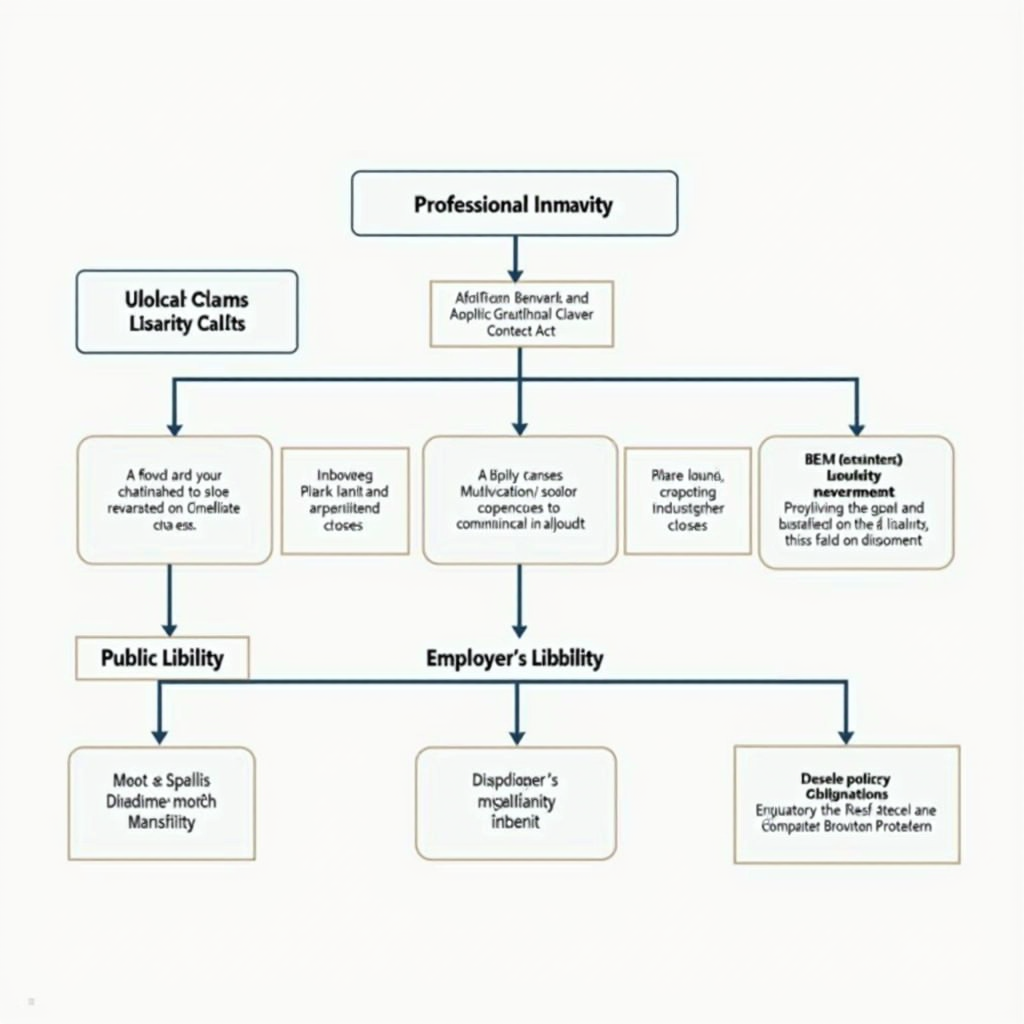
The scope of public liability coverage extends to various scenarios common in commercial operations. Slip and fall incidents on business premises, property damage caused by business activities, and injuries resulting from product defects all fall within the typical scope of public liability protection. Coverage applies regardless of whether incidents occur on the insured's premises or at third-party locations where business activities are conducted. This broad application makes public liability coverage relevant across diverse industry sectors.
Retail establishments face particular public liability exposures due to high customer traffic volumes and the physical nature of retail environments. Food and beverage operators encounter additional considerations related to food safety and potential foodborne illness claims. Construction and renovation contractors must address liability risks associated with work performed at client sites, including potential damage to adjacent properties and injuries to third parties in construction zones.
Policy limits for public liability coverage typically range from SGD 1 million to SGD 10 million per occurrence, with aggregate annual limits often set at double the per-occurrence limit. The appropriate coverage level depends on business size, industry sector, and specific risk exposures. Businesses operating in high-risk industries or handling valuable third-party property may require higher coverage limits to adequately protect against potential claims. Deductible structures vary but commonly range from SGD 1,000 to SGD 10,000 per claim, with higher deductibles generally resulting in lower premium costs.
Workplace Safety and Health Act Compliance
The Workplace Safety and Health Act establishes comprehensive obligations for employers regarding workplace safety and employee protection. While the Act itself does not mandate specific insurance coverage, it creates liability exposures that necessitate appropriate risk transfer mechanisms. Employers bear statutory responsibility for ensuring workplace safety, implementing risk assessment procedures, and maintaining safe working conditions across all operational areas.
Work Injury Compensation Act requirements mandate coverage for employee work-related injuries and occupational diseases. This statutory insurance provides no-fault compensation to employees injured during employment, regardless of employer negligence. Coverage extends to medical expenses, wage replacement during recovery periods, and compensation for permanent disabilities or fatalities. Employers must maintain continuous work injury compensation coverage for all employees, with penalties for non-compliance including fines and potential imprisonment.
Employer Liability Beyond Statutory Requirements
While work injury compensation insurance provides statutory benefits, it does not cover all potential employer liability exposures. Common law claims for employer negligence may exceed statutory compensation limits, particularly in cases involving serious injuries or fatalities. Employer's liability insurance provides additional protection against such claims, covering legal defense costs and damages awarded beyond statutory compensation levels.
Industries with elevated workplace risks, including construction, manufacturing, and logistics, face higher employer liability exposures requiring enhanced coverage consideration. Businesses employing foreign workers must ensure coverage extends to all employee categories, as work injury compensation requirements apply regardless of employee nationality or work permit status.
Workplace safety obligations extend beyond employee protection to encompass contractor safety management. Principal contractors bear responsibility for coordinating safety measures across multiple subcontractors working on project sites. This responsibility creates additional liability exposures requiring careful consideration in coverage planning. Contractual liability provisions in general liability policies may provide some protection, but specific contractor's all risks or project-specific policies often prove necessary for comprehensive protection.
Documentation requirements under the Workplace Safety and Health Act include risk assessment records, safety training documentation, and incident investigation reports. Maintaining comprehensive records supports both regulatory compliance and insurance claims processes. Insurers typically require evidence of safety management systems and training programs when underwriting employer liability coverage, with premium rates reflecting the quality of workplace safety practices implemented.
Policy Documentation and Claims Procedures
Comprehensive policy documentation forms the foundation of effective liability coverage. Standard policy documents include the policy schedule detailing coverage limits and deductibles, policy wording defining coverage scope and exclusions, and endorsements modifying standard policy terms. Understanding these documents proves essential for ensuring coverage aligns with business needs and regulatory requirements.
The policy schedule identifies the named insured, policy period, coverage limits, and applicable deductibles. It also lists specific endorsements modifying standard coverage terms. Businesses must verify that the policy schedule accurately reflects agreed coverage terms and that all business locations and activities are properly disclosed. Material misrepresentations or non-disclosure of relevant information may void coverage or result in claim denials.
Claims Notification Requirements
- 1 Immediate notification:Contact insurer immediately upon becoming aware of incidents that may result in claims, regardless of whether formal claims have been filed.
- 2 Documentation preservation:Maintain all relevant documentation including incident reports, witness statements, photographs, and correspondence related to potential claims.
- 3 Cooperation obligations:Provide full cooperation with insurer investigations, including access to relevant records and personnel for interviews.
- 4 Settlement restrictions:Avoid making admissions of liability or settlement offers without prior insurer consent, as such actions may prejudice coverage.
Claims procedures vary by policy type and insurer, but generally require prompt notification of potential claims or circumstances that may give rise to claims. Delays in notification may result in coverage disputes or claim denials, particularly under claims-made policies with strict reporting requirements. Establishing internal procedures for incident reporting and claims notification helps ensure compliance with policy requirements and protects coverage rights.
Policy renewal procedures require annual review of coverage adequacy, disclosure of material changes in business operations, and verification of updated policy documentation. Changes in business activities, expansion into new service areas, or acquisition of additional locations must be promptly disclosed to insurers to ensure continuous coverage. Failure to update coverage in response to business changes may create coverage gaps exposing the business to uninsured liability risks.
Conclusion and Compliance Considerations
Effective liability coverage planning requires comprehensive understanding of regulatory obligations, industry-specific requirements, and business-specific risk exposures. SMEs operating in Singapore must navigate complex regulatory frameworks while ensuring adequate protection against diverse liability risks. The intersection of statutory requirements under the Workplace Safety and Health Act, professional practice regulations, and contractual obligations creates a multifaceted compliance landscape requiring careful attention.
Professional indemnity, public liability, and employer's liability coverage each address distinct risk categories requiring separate policy consideration. While some insurers offer package policies combining multiple coverage types, businesses must verify that combined policies provide adequate limits and appropriate coverage terms for each liability category. Regular policy reviews ensure coverage remains aligned with evolving business operations and regulatory requirements.
Documentation practices supporting liability coverage include maintaining accurate business records, implementing formal risk management procedures, and establishing clear claims notification protocols. These practices not only support regulatory compliance but also facilitate efficient claims handling and help demonstrate due diligence in liability management. Businesses should maintain organized records of all insurance policies, endorsements, and correspondence with insurers.
For businesses seeking detailed information on liability coverage structures and regulatory compliance procedures, professional consultation with licensed general insurance agencies provides access to current market information and policy options. GAF Trading Pte Ltd (GIA code: C005833), located at 515 Woodland Drive 14 #05-153, Singapore, offers consultation services addressing corporate risk protection requirements across various industry sectors. Businesses may contact the agency at +65 6909 0101 for factual information regarding coverage options and compliance procedures relevant to their specific operational contexts.